01
Signals arrive
Information enters through sight, sound, touch, movement, language, and prior experience.
It powers thought, movement, emotion, memory, and every skill you have ever built. Explore what makes it astonishingly powerful—and why meaningful new learning remains possible from age 12 to 60.
A concept page from the Train the Brain Workshop for students aged 12 to 60. Enrolment is ₹7,500, one-time.
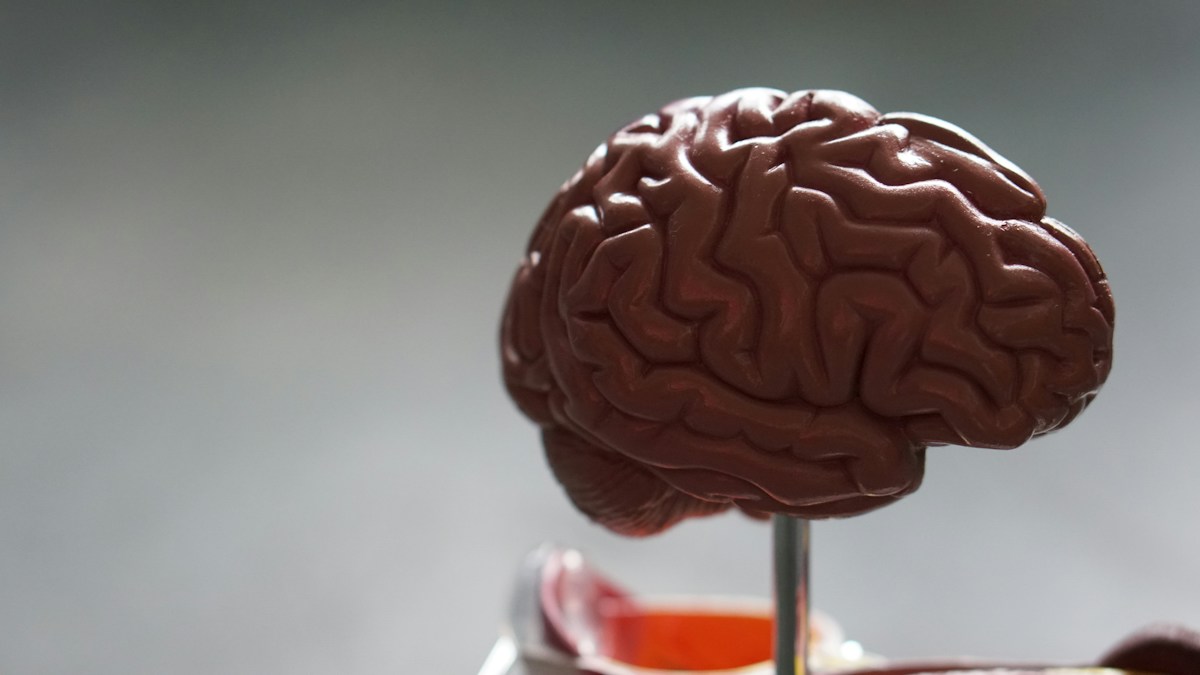
Why the brain deserves your attention
Your brain represents roughly 2% of body weight, yet it consumes about 20% of the day's energy. That demand reflects the enormous work it does—receiving information, deciding what matters, forming memories, and coordinating action.
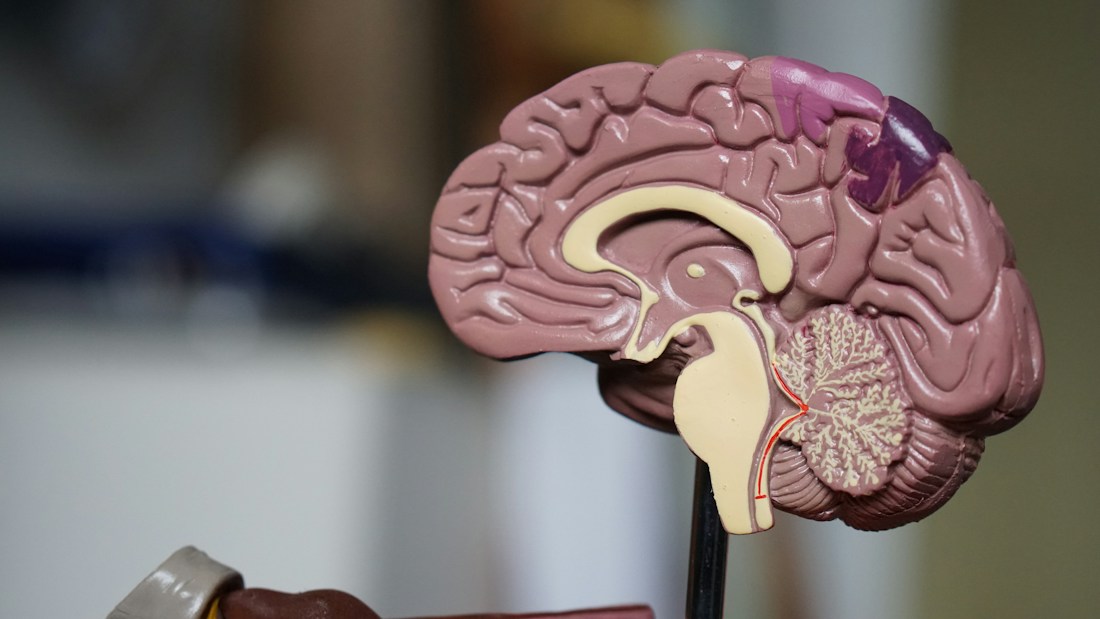
It contains roughly 86 billion neurons. Each neuron can connect with thousands of others, creating a network more intricate than any city map.
The key idea: your brain's strength is not passive storage. It is an active system that changes in response to what you repeatedly notice, think about, and practise.
Information enters through sight, sound, touch, movement, language, and prior experience.
Connected neurons pass signals, and patterns help the brain organize what it receives.
Useful signals are reinforced through repetition, creating a more reliable route for future recall.
Meet your brain
The brain is not one switch. Specialized regions work together so you can plan, remember, feel, move, perceive, and coordinate. Understanding the role of each region makes learning less mysterious.
The brain works through coordination. One isolated region rarely handles a task alone.
Your planning and decision-control hub. It helps you set goals, weigh options, manage distractions, and organize actions.
Important for forming new memories and linking new information with what you already know.
Helps process emotion and alertness. It can signal importance—useful for focus, but easily triggered by stress.
Coordinates movement, balance, timing, and learned physical actions so they become smooth and precise.
Sends instructions that help the body perform deliberate movement, from writing to playing an instrument.
Help process sensory information such as touch, body position, sound, language, and visual and spatial details.
Learning is teamwork: planning, memory, emotion, perception, and action work together. Better study methods are designed to recruit that team—not to force one region to do everything.
Inside the communication network
Neurons communicate through electrical activity and chemical signals. At the tiny junction between cells—a synapse—one neuron can influence another. Frequent, useful signals help make those routes more efficient.
Your brain does not memorize in one giant flash. Information moves through a sequence of network activity.
Why repetition is not mind-numbing: a repeated skill can become easier because the brain is constructing a more dependable route to perform it. The effort comes first; the fluency follows.
Brain power in real life
Neuroplasticity is the brain's ability to reorganize as experience changes it. Practise a new skill and new pathways begin to form. At any age, effortful learning can literally change brain structure.

New words, sounds, and grammar patterns become more accessible as the brain builds stronger links between them.

Finger movement, timing, sound recognition, and memory strengthen together through deliberate practice.

Recognizing patterns, retrieving steps, and correcting mistakes trains increasingly efficient mental routes.

Observation, decisions, timing, and movement are rehearsed until they begin to feel coordinated and familiar.

Age can shape the process, but the brain can still form new pathways and support genuine skill development.

Repeated retrieval and focused review strengthen the pathways you want available under pressure.
Try holding several unrelated items in mind at once:
Working memory is useful, but limited—roughly around four chunks at a time. Grouping information into meaningful units makes it easier to handle.
The study connection
Your brain can hold several items in working memory at once, but the capacity is limited—about four chunks. Trying to juggle many disconnected facts at the same time creates unnecessary strain.
Clear up the confusion
Misunderstandings can make learning feel mysterious—or impossible. Replace the myths with simple, useful explanations that match what the brain actually does.
It sounds dramatic, but it is false. Brain imaging shows activity across many regions, including areas involved in routine tasks.
Adult brains do not remain frozen. New experiences, practice, and changing demands can produce structural and functional changes.
Repeating words on a page is different from retrieving, applying, and explaining them. Not every repetition builds a durable route.
Brain power is not a single fixed talent. Attention, knowledge, sleep, practice, teaching methods, and recovery all influence performance.

The brain's defining superpower
Every time you practise a skill, new pathways form. At first, the effort may feel slow and uncertain. With repetition, those routes become more available, and the skill starts to feel more natural.
For a 60-year-old and a 12-year-old alike: the principle is the same. A new skill can become genuinely yours through practice, feedback, and time.
Practical brain power
The brain is shaped by what it does. These simple habits support the conditions in which attention, learning, memory, and recovery can work well. Start with one—not all five at once.
Give your brain a consistent sleep window. A tired brain has less capacity for attention, retention, and clear thinking.
Start tonightUse a walk or simple movement break. Changing posture and moving can interrupt mental fatigue and refresh your focus.
10–15 minutesChoose one small target. Study without switching tasks, retrieve what you know, and check where you slipped.
One focused blockTry one new route, idea, word, or skill. Novelty asks the brain to form new links and pay closer attention.
One new thingGive your mind a real pause. A short distance from the task can help attention reset and prevent needless mental strain.
Take a short breakLearning has no expiry date
Young learners often benefit from rapid feedback and abundant time. Older adults bring experience, purpose, and well-developed knowledge. The brain can support meaningful new learning in both—and effective methods can help bridge the differences.

Workshop enrolment
The Train the Brain Workshop is a one-time ₹7,500 programme for students aged 12 to 60. Build a practical understanding of how the brain learns, retains information, handles time, and develops stronger study habits.
Pay ₹7,500 once for the full guided programme, or send your interest below and we will call you with batch dates.
Prefer email?
trainthebrains@gmail.com